
Optimal Timing for Fire Restorations
Fire restorations are most effectively performed when weather conditions are stable and dry. Typically, late spring through early fall offers optimal conditions for restoration work, minimizing delays caused by rain or snow. Conducting restorations during these periods ensures quicker drying times and reduces the risk of additional damage.
Timing is crucial for fire damage recovery, as delays can lead to worsening structural issues and increased costs. Immediate response after a fire is vital; however, the best window for extensive restoration work aligns with favorable weather patterns, allowing for thorough cleaning, drying, and rebuilding processes.
Spring and summer provide ideal conditions for fire restorations due to warm, dry weather that facilitates effective drying and cleaning.
Rain and snow can hinder restoration efforts, causing delays and potential secondary damages. Planning around forecasted weather is essential.
While immediate response is critical, scheduling extensive restorations during optimal weather windows enhances safety and efficiency.
The extent of fire damage influences timing; more severe damages may require immediate action regardless of season.
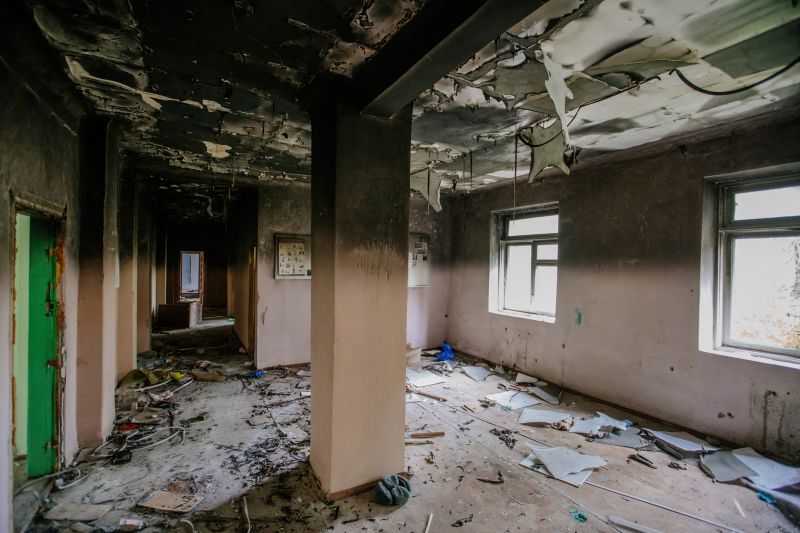
Initial evaluation is key to planning effective restoration strategies.
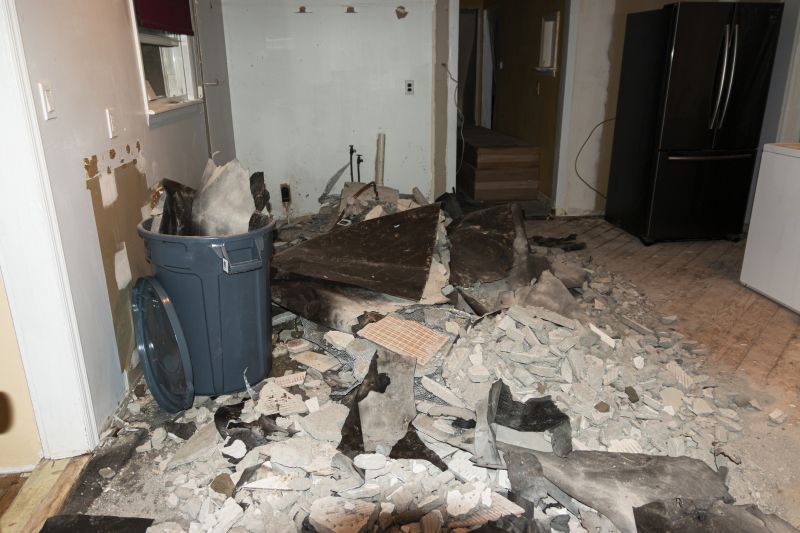
Timely removal of debris prevents further damage and prepares for repairs.
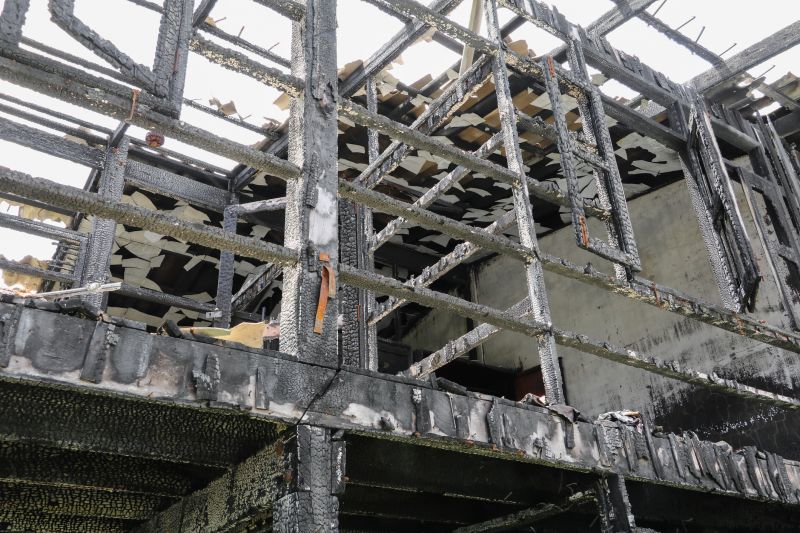
Drying is critical to prevent mold and structural issues.
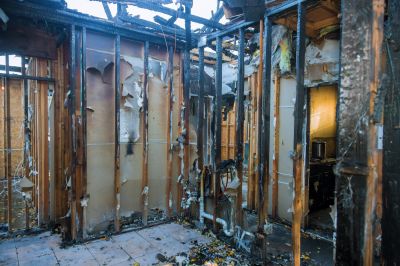
Ways to make Fire Restorations work in tight or awkward layouts.
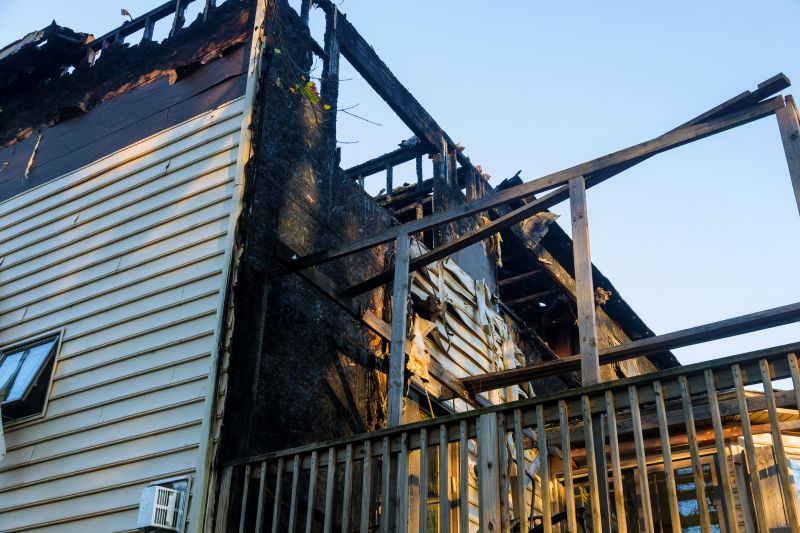
Popular materials for Fire Restorations and why they hold up over time.
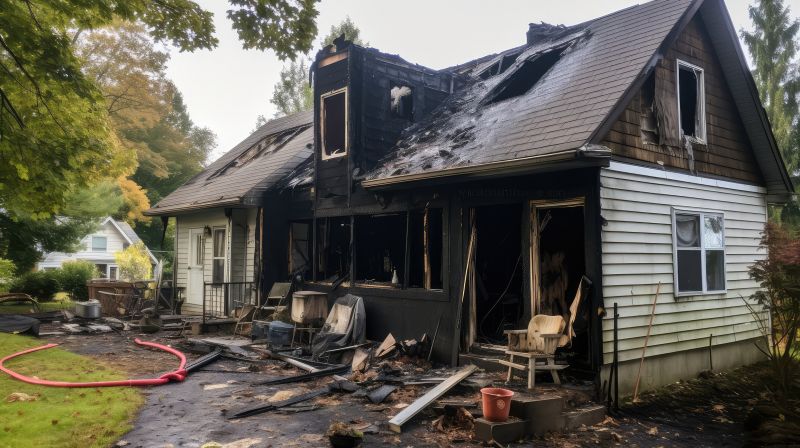
Simple add-ons that improve Fire Restorations without blowing the budget.
| Aspect | Details |
|---|---|
| Optimal Seasons | Late spring through early fall |
| Weather Conditions | Dry, stable weather preferred |
| Response Timing | Immediate response followed by optimal scheduling |
| Damage Severity | Severe damage may require urgent action |
| Property Type | Residential vs commercial considerations |
| Drying Time | Faster in warm, dry conditions |
| Secondary Damage Risk | Higher in humid or wet weather |
| Cost Implications | Delays can increase expenses |
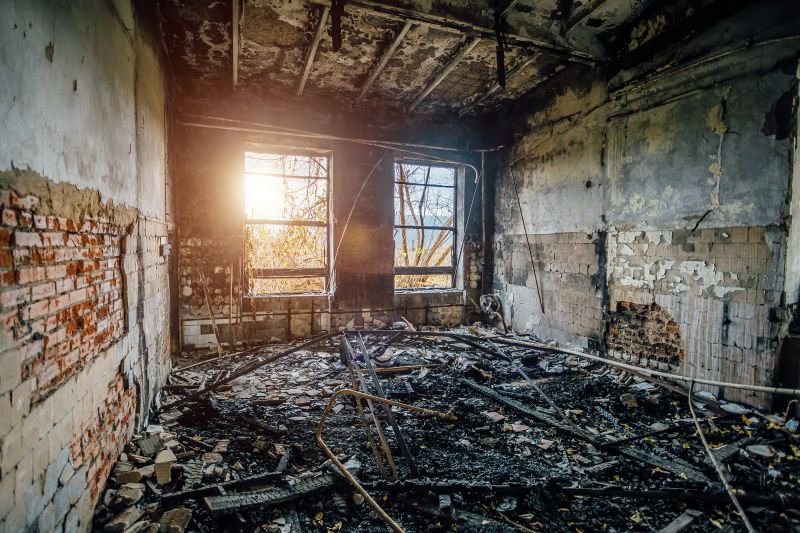
Essential for restoring safety and preparing for repairs.
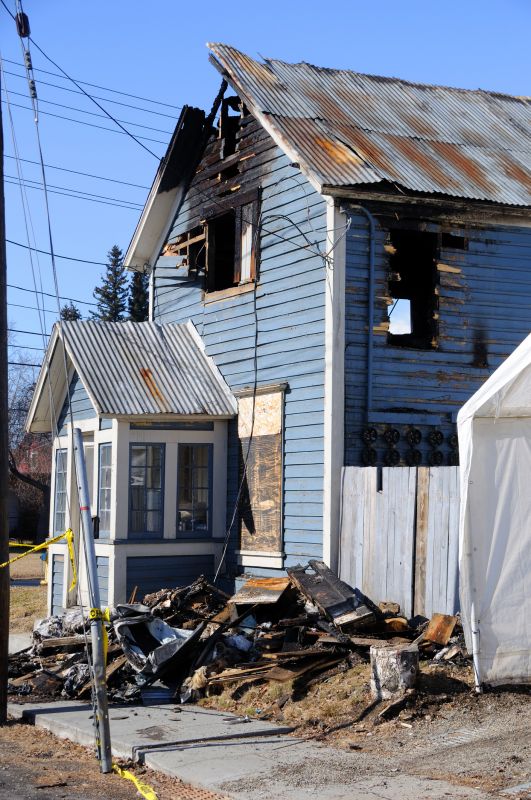
Rebuilding efforts are most effective in favorable weather.
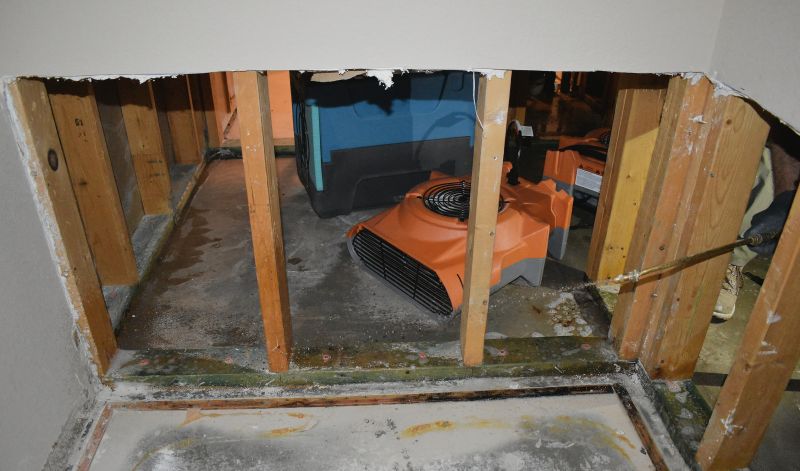
Water used during firefighting requires prompt removal.

Proper ventilation and cleaning are critical after a fire.
Understanding the ideal timing for fire restorations can significantly impact the effectiveness and cost of recovery efforts. Planning restoration activities during periods of stable weather ensures thorough cleaning, drying, and rebuilding, reducing the risk of secondary damages such as mold growth or structural deterioration. Immediate response combined with strategic scheduling optimizes safety and outcomes.
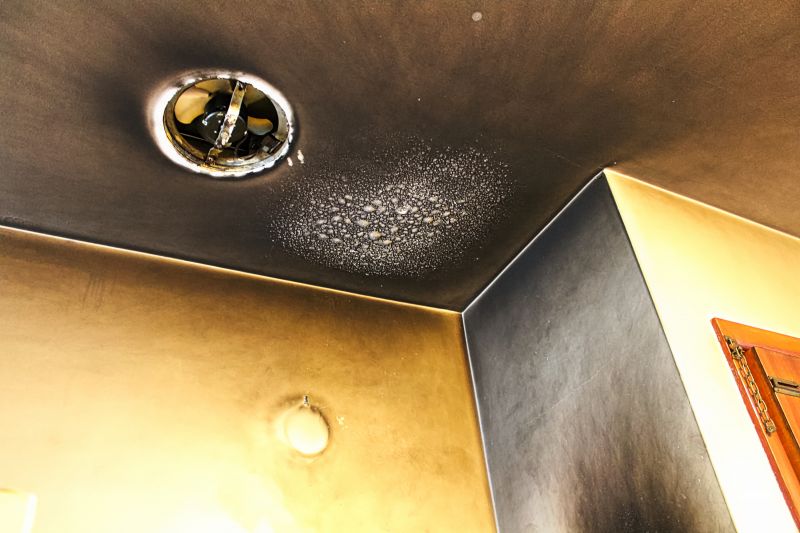
Removing soot and residues is essential for health and safety.
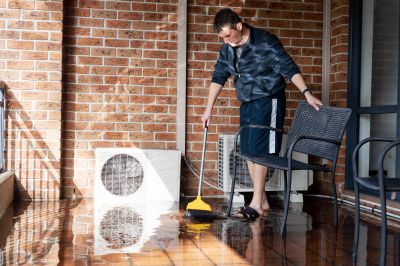
Rebuilding is most efficient in dry, warm weather.
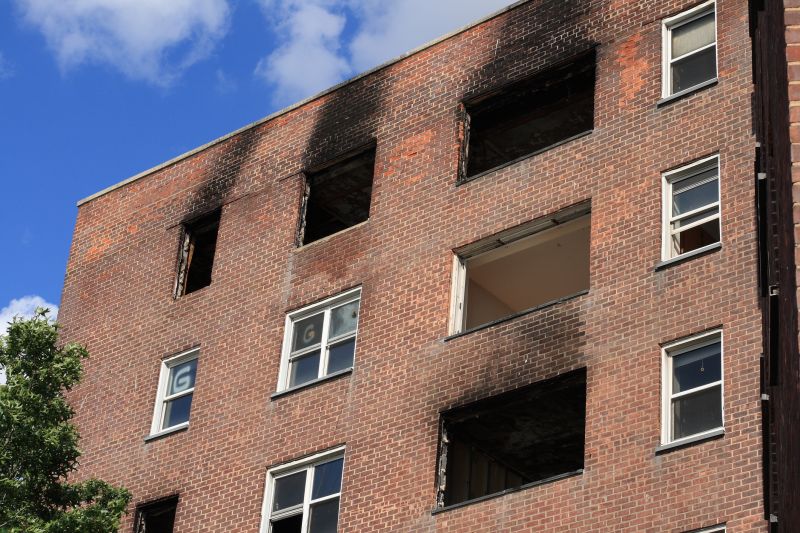
Timely restoration prevents further deterioration.
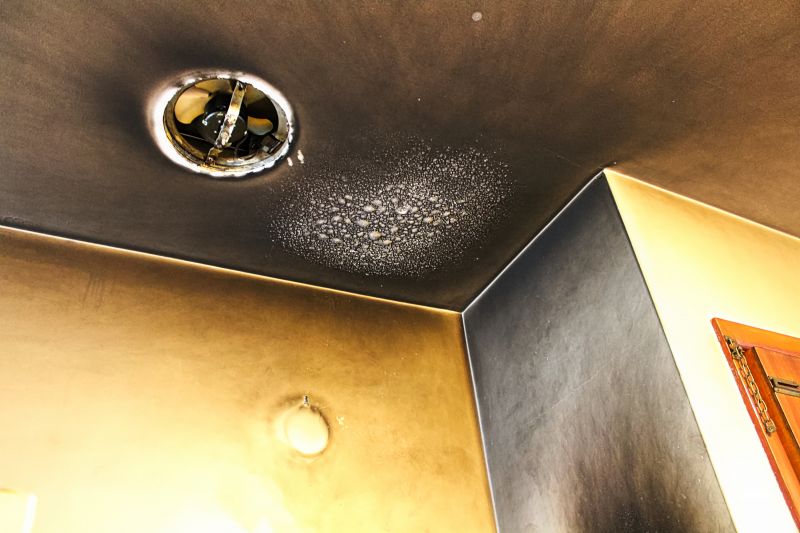
High-end options that actually feel worth it for Fire Restorations.
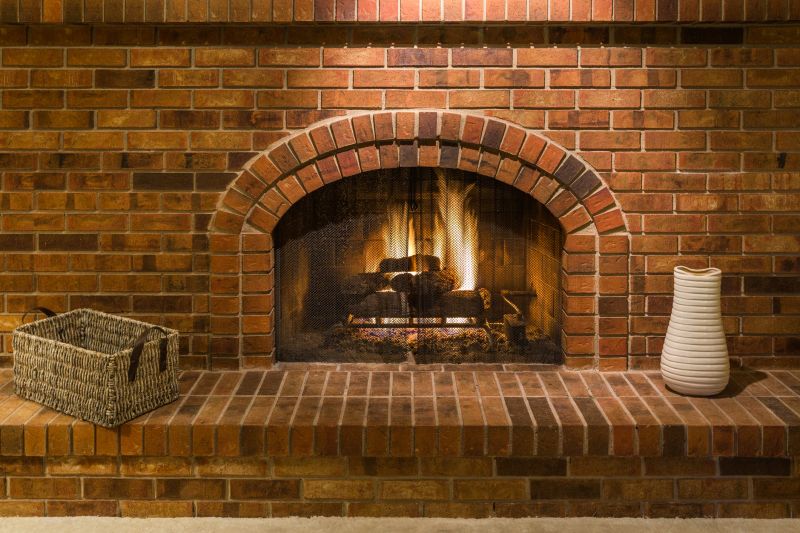
Finishes and colors that play nicely with Fire Restorations.

Little measurements that prevent headaches on Fire Restorations day.
Interested property owners or managers are encouraged to contact for more information about scheduling fire restoration services at the most suitable times. Proper timing can help ensure a safer, more efficient recovery process that minimizes additional costs and delays.