
Leading Fire Restoration Supplies To Help You Rebuild Quickly
Select from high-quality products that support fast and effective fire damage remediation and property recovery.
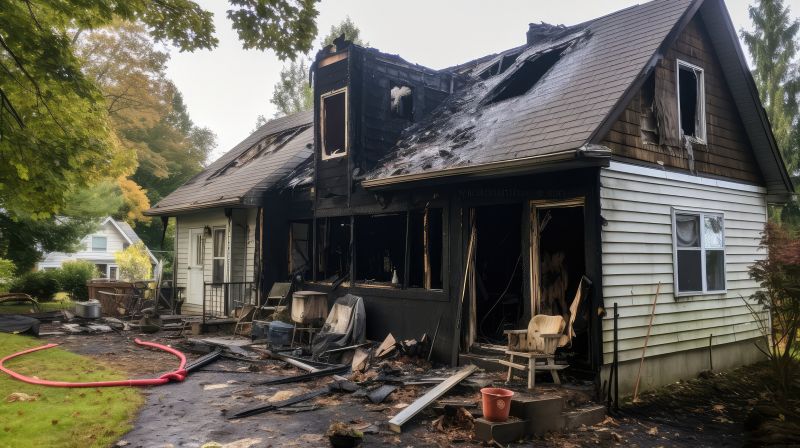 Fire restoration products are essential tools and materials used to repair and recover properties affected by fire damage. These products help mitigate damage, clean soot and smoke residues, and restore structural integrity. When dealing with fire damage, it is crucial to select appropriate supplies that address various aspects such as odor removal, surface cleaning, structural reinforcement, and safety. Properly chosen products can facilitate a more efficient restoration process, reducing downtime and ensuring safety for occupants and workers alike.
Top Overall Option
Multi-Purpose Fire Damage Restoration Kit
A versatile kit containing a selection of cleaning solutions, sealants, and protective gear designed to address multiple aspects of fire damage restoration. It offers a comprehensive solution suitable for various surfaces and damage levels, making it a practical choice for restoration professionals and DIY enthusiasts alike.
Types of Products For Fire Restorations
Soot and Smoke Cleaning Solutions
Specialized cleaners formulated to effectively remove soot and smoke residues from different surfaces.
Odor Neutralizers and Sealants
Products designed to eliminate persistent odors and seal surfaces to prevent odor seepage.
Fire-Resistant Drywall and Panels
Materials that provide enhanced fire resistance to structural elements during repairs.
Structural Reinforcement Materials
Reinforcing products such as fire-resistant beams and supports to restore structural integrity.
Personal Protective Equipment (PPE)
Respirators, gloves, and protective clothing to ensure safety during restoration work.
Air Scrubbers and Ventilation Systems
Equipment to improve indoor air quality and remove airborne contaminants.
Fire-Resistant Paints and Coatings
Coatings to enhance the fire resistance of surfaces and materials.
Cleaning Cloths and Sponges
Absorbent and durable cleaning tools designed for soot removal.
Water-Based Fire Retardants
Solutions applied to surfaces to delay or prevent the spread of fire.
Electrical Safety Devices
Circuit testers and safety disconnects to ensure safe electrical work during restoration.
Thermal Imaging Cameras
Tools to detect hidden hotspots and assess the extent of fire damage.
Fire-Resistant Insulation
Insulation materials that resist ignition and help contain fire spread.
Popular Choices
Effective solutions for cleaning soot and smoke residues from various surfaces.
Products that neutralize lingering smoke odors in affected areas.
Panels designed to provide added fire resistance during reconstruction.
Masks that safeguard workers from inhaling harmful fumes and particles.
Devices that filter airborne contaminants and improve air quality.
Coatings that help increase surface resistance to ignition.
Supports and reinforcements to restore damaged frameworks.
Tools for soot and residue removal in various restoration tasks.
Insulation options to help contain future fire spread.
Tools to identify heat sources and assess damage areas.
Sealants used to contain smoke and odor penetration.
Solutions applied to surfaces to inhibit fire ignition.
Tools and devices to ensure electrical safety during repairs.
Fire restoration involves a combination of cleaning agents, protective equipment, and structural repair materials. Specialized cleaning solutions are designed to break down soot and smoke residues without damaging surfaces. Sealants and primers help contain odors and prevent further contamination, while fire-resistant materials reinforce weakened structures. Additionally, air scrubbers and ventilation systems are employed to improve indoor air quality during and after the restoration process.
Choosing the right products depends on the extent of the damage, the type of surfaces involved, and specific safety requirements. It is advisable to utilize products that are compatible with various materials such as drywall, wood, and metal. Proper safety gear, including respirators and gloves, should be used to protect workers from harmful fumes and residues. Overall, a comprehensive approach using a variety of specialized products can help restore properties effectively while maintaining safety standards.
Key Buying Considerations
- Extent of fire and smoke damage to determine necessary products.
- Compatibility of cleaning solutions with different surface materials.
- Safety features of protective gear to ensure proper worker protection.
- Effectiveness of odor neutralizers in eliminating persistent smells.
- Ease of use and application methods for various products.
- Durability and fire resistance ratings of structural materials.
- Ventilation and air purification options to improve indoor air quality.
- Environmental conditions such as humidity and temperature that may affect product performance.
- Availability of comprehensive kits versus individual products for specific needs.
- Compliance with safety standards and certifications relevant to fire restoration.
- Cost-effectiveness and long-term benefits of selected products.
- Brand reputation and reviews from restoration professionals.
- Storage and shelf life of products for future use.
- Training or instructions needed for effective application.